
Car windscreens are no longer just a piece of glass protecting you from the elements. With added sensors and cameras, modern car technology places them at the centre of your driving experience.
This leap in the motoring industry keeps the roads safer, but it makes windscreen replacements more intricate. One critical factor to consider is windscreen calibration.
Here’s what you need to know about windscreen calibration
-
Advanced Driver Assistance Systems (ADAS) increase safety on the roads by alerting you to potential hazards. Some of these systems work through sensors and a professionally fitted camera on the vehicle’s windscreen. This extra eye on the road relays information about the car’s surroundings to the ADAS. The system responds and activates automated safety measures when necessary.
-
ADAS technology includes collision warnings, traffic sign recognition, lane-drift warnings, park assist, and pedestrian detection.
-
Some major auto manufacturers have branded versions of ADAS. These include Subaru EyeSight, Kia DRIVEWISE, Honda Sensing, Toyota Safety Sense, and Ford Co-Pilot 360.
-
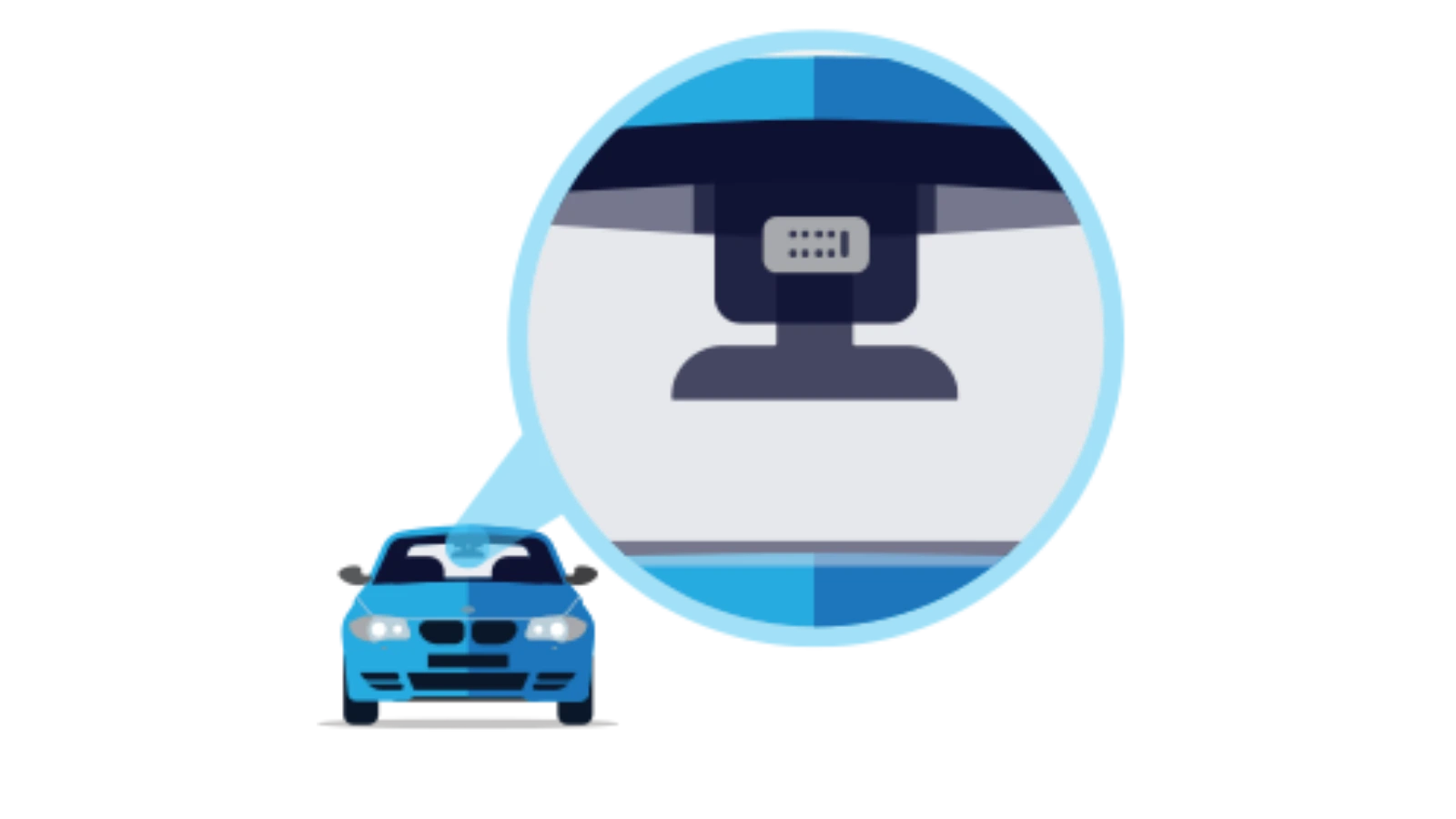
“Smart windscreens” have particular tinted and un-tinted areas on the glass, which allow the camera to “see” the road. The windscreen essentially forms part of the camera lens.
-
Research estimates that ADAS integration in passenger vehicles potentially prevents up to 40% of accidents. Should a crash still occur, it is usually less severe and results in 37% fewer injuries and 29% fewer deaths.
-
ADAS monitors blind spots, pedestrians and animals crossing the road, as well as proximity to objects (such as barriers). For optimal surveillance, you need an accurately calibrated windscreen camera.
-
You will need to recalibrate the windscreen camera if you replace a windscreen, change the suspension or wheel alignment, if the dashboard shows a fault code, or if the camera disconnects.
-
Windscreen calibration adjusts the camera lens to capture an accurate and reliable image of the road and the vehicle. If misaligned by even a few millimetres, it can compromise the technology and result in dangerous driving.
-
There are two types of ADAS calibration: dynamic and static. Some vehicles need both. The whole job, replacing the windscreen and calibrating the camera, usually takes one to two hours.
Dynamic calibration
- The technician connects a diagnostic tool to the car, then drives it at set speeds on clearly marked roads, in good weather, while the camera re-learns where the lane markings and road edges are.
- Each manufacturer sets its own conditions for dynamic calibration, such as the speeds, the distance and the type of road.
Static calibration
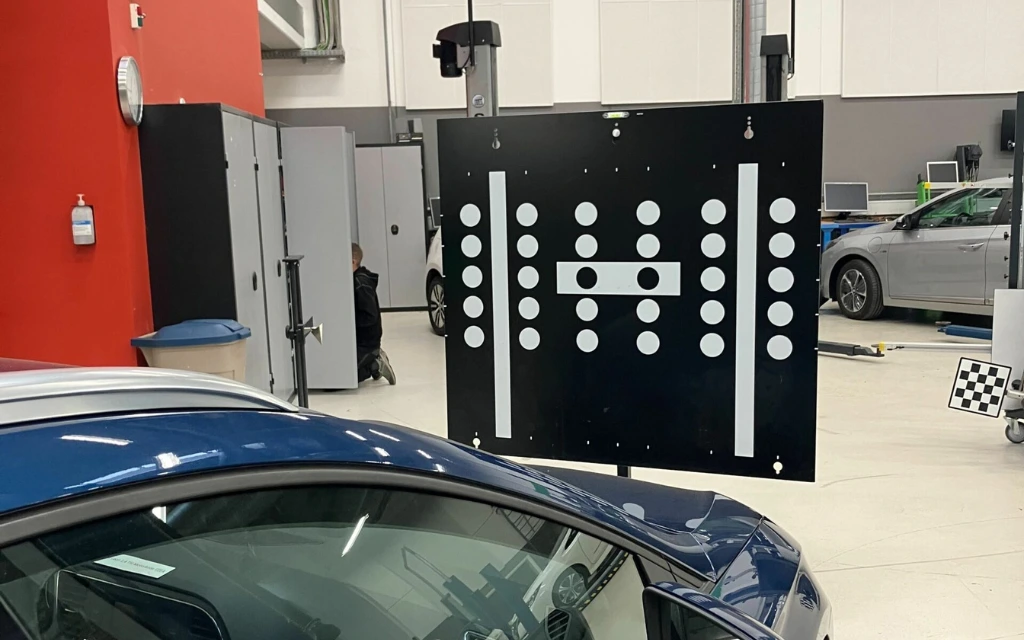
- The technician places calibration targets at precise distances in front of the car and aligns the camera to them using the manufacturer’s procedure.
- It needs a controlled environment: a level floor, consistent lighting and enough space. That means a workshop, not a driveway or a car park.
-
An inaccurate ADAS calibration may fail to provide alerts and can cause the driver to react to false information.
As an example, some ADAS technology triggers emergency braking if an object suddenly appears. If your windscreen has a poorly calibrated camera, the system could bring your car to a sudden unwanted stop.
For safety reasons, it’s essential that a trained professional calibrates your windscreen.
UK Car Glass technicians have decades of combined experience. Our expertise and experience put you and your car in excellent hands. We have state-of-the-art equipment to replace your windscreen and recalibrate the sensors and cameras. Your safety is our top concern.
How common is this? More than 1 in 4 windscreen bookings now involve ADAS glass, and about 9 in 10 windscreens for 2020-onwards cars carry ADAS equipment.
Key takeaways
- ADAS = advanced driver-assistance systems including lane-keeping, AEB, adaptive cruise, traffic sign recognition
- The forward-facing camera is mounted to the windscreen — replacing the screen requires recalibrating the camera
- Static calibration = workshop-based with manufacturer targets; dynamic calibration = drive cycle on the road
- Windscreen replacement and calibration together usually take 1–2 hours; calibration adds £150–£400 to the windscreen replacement cost
- A miscalibrated camera can trigger emergency braking on phantom objects, or fail to detect real ones — never skip calibration