
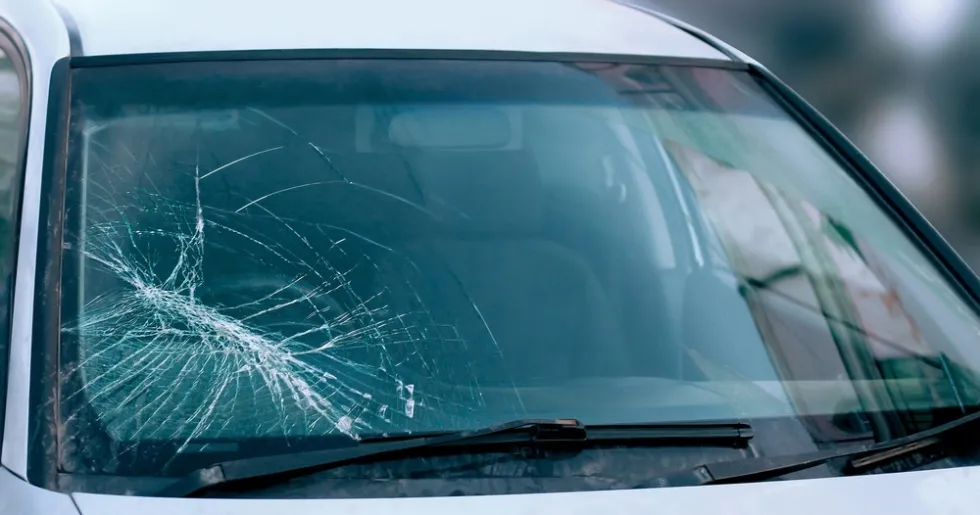
What does car glass do?
Car glass serves multiple critical functions beyond simply keeping insects and wind out of your vehicle.
Protection from outside elements
Rocks and debris churned up from passing cars and roadside machinery can cause serious damage at high velocities. Car glass is designed to limit your skin’s exposure to harmful UV rays whilst driving.
Visual safety
Car glass must balance transparency with durability. It needs to be easily cleaned after spills whilst remaining robust enough to protect your eyes from the sun’s harmful UV effects and provide a clear scope of vision.
Structural integrity
The relationship between car glass and your vehicle’s framework is mutually supportive. The frame holds the glass in place, whilst the glass provides necessary structural support during accidents where your vehicle might roll over or flip upside down. Glass fixtures prevent the frame from crumpling inwards and crushing occupants.
Comfort
Car glass acts as a guardian against uncomfortable temperatures, intense noise levels, and roadside odours, standing between you and a terrifying, uncomfortable journey versus a delightful, relaxing drive.
The types of car glass
Two main types of glass are used in vehicles: laminated and tempered.
Laminated
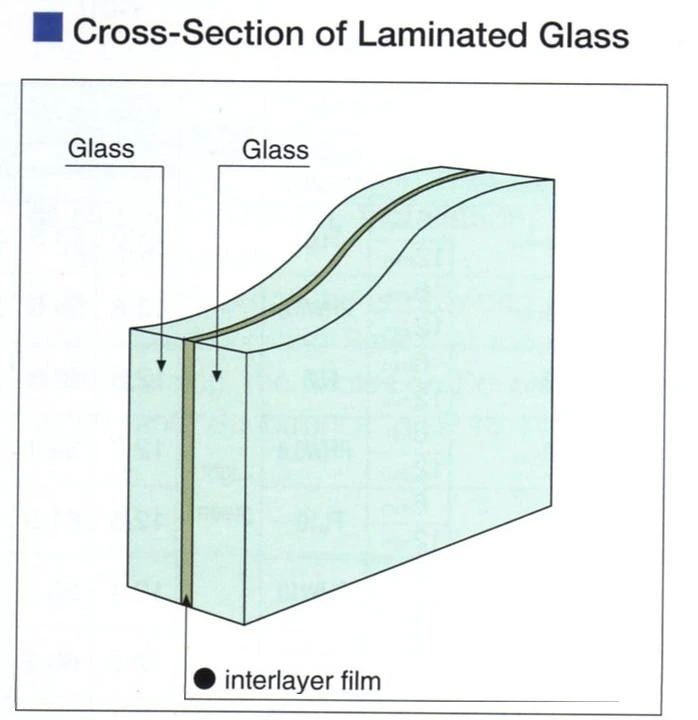
Windscreens use laminated glass, which is designed to withstand significant punishment before breaking into pieces. This type prevents deadly injuries from sharp glass shards during accidents and stops vehicle occupants from being flung through windscreens during collisions.
Laminated glass is created by joining two glass sheets together with a polyvinyl layer in between, then fusing these sheets using high levels of heat.
Tempered glass
Rear windscreens and side door windows use tempered glass, specifically designed to shatter more easily than laminated windscreens. When tempered glass breaks, the shards are smaller with rounded edges that won’t harm people they contact.
The downside is that any crack or damage requires full replacement — repairs aren’t possible. Tempered car glass is made using rapid heating followed by sudden cooling, using only one glass layer.
What is OEM?
Original Equipment Manufacturer (OEM) signifies that replacement components came from your car’s original maker, not a generic one-size-fits-all manufacturer.
Why does this matter in terms of my car glass quality?
When the automobile manufacturing corporation that produced your car designed and constructed the glass, they planned the shape of that glass type exactly with your vehicle in mind.
Some glass companies take these specialised parts and market them for other vehicles, resulting in poor fit and incompatibility with other vehicle features. Installation may also be performed by technicians unfamiliar with how these parts work together or proper installation methods.
To avoid quality issues, trust OEM-certified car glass technicians.
How car glass has changed over the years
The first windscreen appeared in Ford Model T vehicles in 1904, created because “drivers getting pelted by pebbles, flying insects, and any number of pesky airborne missiles” needed protection.
As cars became faster and more popular, roadside injuries increased and glass shards caused worse harm, spurring development of more durable, less harmful glass types like laminated and tempered glass.
In 1947, curved windscreens were introduced. Within ten years, tints became popular to combat sun glare. Modern windscreens are vastly different from their predecessors, featuring extensive coverage and dye-film for heat and UV protection.
Modern vehicles now include driving features and gadgets that interact directly with car glass, primarily the windscreen.
Car glass features that interact with the windscreen
Rain sensor
Using light sensor technology to detect moisture on your windscreen, rain sensors fight driver distraction. Once a pre-determined rainfall level contacts your windscreen, the system commands windscreen wipers to adjust movement accordingly.
Acoustic windscreen
By adding an extra vinyl layer to laminated windscreens, acoustic glass gains sound-dampening properties, creating a sanctuary of quiet peace within your car’s interior as roadside noise fades away.
Camera on windscreen
This device logs video whilst driving, helping you become more aware of the outside world and react faster to potential threats. It’s also useful for perfect parking and providing footage for accident disputes.
Green tint / grey sun strip
Some vehicles feature slightly green-tinted glass or grey strip bars near the top of windscreens. Both serve similar functions: removing sun glare and protecting skin from damaging UV rays during morning, evening, and midday driving.
Electrically heated windscreen
This luxury feature is made by triple-glazing glass, enabling electronically-controlled radiant warmth transmission. It helps with visibility issues caused by ice crystallisation or blizzard damage.
Heads-up display
Head-up displays beam floating information directly onto your windscreen ahead of you. Most display speed levels, cruise control, and helpful directions.
Causes of car glass cracking / shattering
Impact damage
This is the most frequent reason cracks and dents appear on car glass. Small road debris churned from newly paved or gravel-filled roads can hit your windscreen with enough force to inflict serious damage to glass layers.
Stress fractures
When windscreens experience sudden temperature changes, such as strong sunlight followed by cold winter air, the glass becomes more susceptible to stress fractures. Fluctuating temperatures cause glass layers to expand and contract rapidly, causing damage. Rapid changes like pouring boiling liquid on a frozen windscreen can cause immediate shattering.
Weather storms and debris
Hailstorms and icy winds threaten car glass integrity. Wind-blown objects can hit vehicles at critical moments, and icy roads may cause significant accidents resulting in extensive glass damage.
Collisions or car accidents
Negligent drivers, animals crossing roads, and poor timing can cause car accidents varying from minor fender-benders to write-offs.
Badly-done car glass replacements
Hiring technicians unfamiliar with how car glass interacts with multiple vehicle parts or using shoddy materials means you’ll need replacement again within an uncomfortably short time. Cheaper options usually cost more long-term.
Key takeaways
- Car glass is a safety system, not just a window — it provides structural support and UV protection
- Windscreens use laminated glass (two sheets bonded with a PVB interlayer); side and rear windows typically use tempered glass
- Laminated glass cracks but holds together; tempered glass shatters into rounded chunks
- Modern windscreens host rain sensors, ADAS cameras, HUD projectors, heating elements, and acoustic layers — all need matching on replacement
- Stress fractures from sudden temperature changes are a common, often-overlooked cause of cracks