
What is Visible Light Transmission (VLT)?
Visible Light Transmission refers to the percentage of visible light that passes through a piece of glass.
- 75% VLT = 75% of light passes through (very clear)
- 70% VLT = 70% of light passes through (still clear, but slightly darker)
The lower the percentage, the darker the glass appears.
VLT matters for three important reasons:
1. Driver visibility
Dark glass can make it harder to see during poor weather or nighttime driving. Even a small reduction in light can affect reaction times and the ability to judge distance or spot hazards.
2. Road safety
Pedestrians, cyclists, and other drivers often rely on eye contact at junctions and crossings. Heavily darkened front windows remove this visual communication.
3. Law enforcement
Police officers must be able to see inside a vehicle during routine stops. Overly dark tinting prevents this and can raise safety concerns.
UK legal requirements for windscreens and front windows
UK car window tint laws depend on when the vehicle was first registered.
Front windscreen
- Vehicles first used on or after 1 April 1985: minimum 75% VLT (the glass must allow at least 75% of visible light through)
- Vehicles first used before 1 April 1985: minimum 70% VLT
This means modern vehicles cannot legally have dark tint fitted to the front windscreen. Only very light tinting or the factory-made glass colour is permitted.
Front side windows
- Minimum 70% VLT (regardless of vehicle age)
This allows some degree of heat or glare reduction, but ensures the driver’s side visibility remains safe.
Rear windows
- No legal VLT limit (rear side windows and the rear windscreen can be tinted as dark as you like)
Because these windows do not affect the driver’s primary visibility, there are no restrictions here.
Factory tinting: why glass doesn’t always look “clear”
Many vehicles come with a slight tint or colour to the glass even without aftermarket film. This is intentional.
Heat and UV protection
Manufacturers add materials such as iron oxide or UV-filtering layers to reduce cabin heat, protect interior materials, and reduce glare — all while staying compliant with UK regulations.
Privacy glass
Modern SUVs, estate cars, and MPVs often include “privacy glass” in the rear. This is not a film — the colour is built into the glass during manufacturing. It provides rear passenger privacy without affecting front driver visibility.
Durability
Factory tint is more durable than aftermarket tint film. It will not bubble, peel, or fade.
Why a windscreen might be marked “70%” when the law says 75%
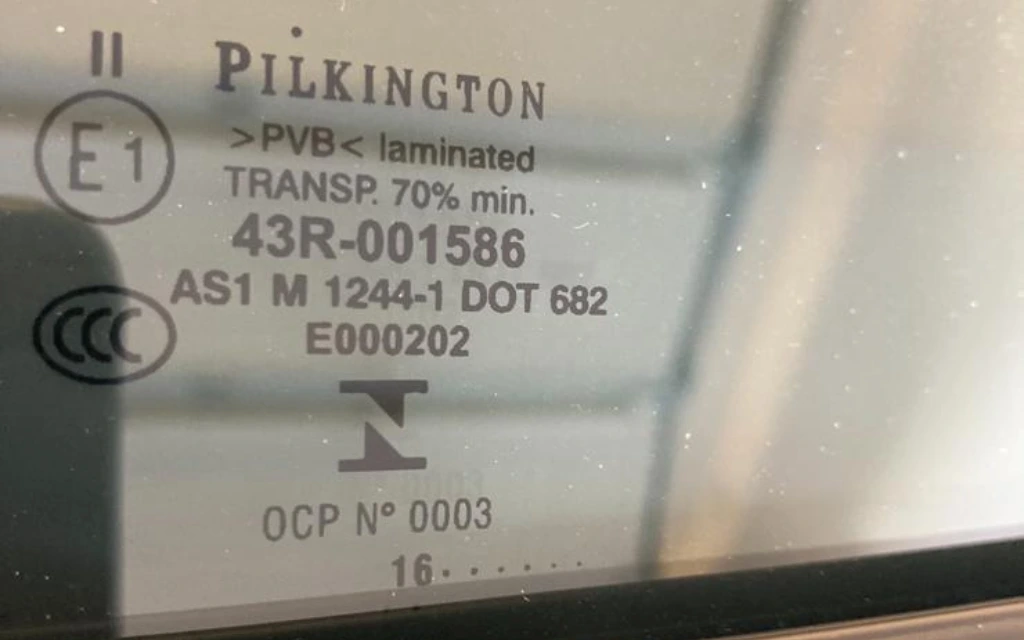
You may notice markings such as “70% minimum” etched into windscreens from manufacturers like Pilkington. This can be confusing when the legal requirement for newer vehicles is 75%.
Here’s the difference:
- The marking refers to the glass material or a specific layer, not the final full windscreen assembly.
- The full windscreen will still achieve the legal 75% VLT once assembled, tested, and approved for road use.
- Manufacturers follow internal standards for different layers, coatings, and laminates — not just the legal requirement of the completed unit.
So a “70%” marking does not mean the glass fails UK law. If it is an original or certified replacement from a reputable supplier, it will meet all MOT and roadworthiness standards.
Can you tint a front windscreen in the UK?
Yes — but only very lightly, and it must remain above the legal limits:
- Front windscreen: at least 75% VLT
- Front side windows: at least 70% VLT
A few additional rules apply:
Sun strips are allowed
A tinted band at the top of the windscreen is legal, as long as it does not obstruct the driver’s view of the road.
Rear windows have no restrictions
You can have any level of tint on rear side windows or the rear windscreen.
Aftermarket tint must be measured on the final combined VLT
If a car already has slightly tinted factory glass, adding even a light tint film may push it below legal limits.
MOT impact and penalties
Tinted windows are part of UK roadworthiness checks.
During an MOT
Excessively dark front window tint can lead to a failure if visibility is considered unsafe. MOT testers may use a light meter or make a professional judgement based on visibility.
On the road
Police can test VLT at the roadside. If your tint is too dark, possible outcomes include:
- A prohibition notice (you cannot drive the car until corrected)
- A vehicle defect rectification notice
- A fine
- Points on your licence in severe cases
Dark tints on front windows are one of the most common causes of roadside enforcement actions.
Buying a used car with tint? Check before you commit
If you’re buying a used vehicle, especially an imported one, double-check the tint level on the front windows. Non-compliant tint becomes your responsibility once you own the car, and removing tint can be costly.
The bottom line
UK tinting laws exist to protect everyone on the road. While tinted glass helps with comfort, heat, and privacy, staying within legal limits ensures you can drive safely and avoid unwanted penalties.
If your windscreen or side windows need replacing, UK Car Glass provides professional installation that meets all UK road safety and MOT standards. For tinting, always choose a specialist who can measure VLT accurately and ensure your vehicle complies with the law.
Your vehicle’s glass is a crucial safety component — whether repairing, replacing, or modifying it, always prioritise visibility and compliance.
Key takeaways
- Front windscreen: minimum 75% VLT for cars first registered on/after 1 April 1985 (70% for older)
- Front side windows: minimum 70% VLT regardless of age
- Rear windows: no legal limit
- “70% minimum” marking on the glass is the layer spec, not the assembled VLT — UK-approved screens still meet 75%
- Police can roadside-test VLT; failure can mean prohibition notice, fine, or licence points