
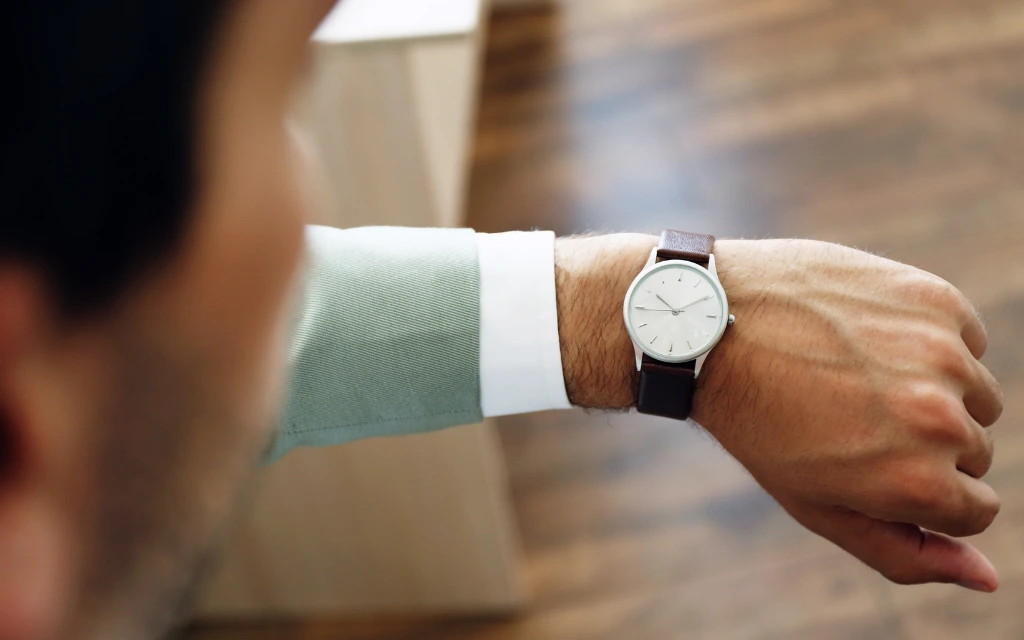
You see your technician finishing the job and take a moment to admire your spotless new windscreen. As you start preparing to leave, they mention something called MDAT.
What does it mean, and why is it important?
When your windscreen is replaced, it’s vital to know when it’s safe to drive again.
This waiting period, known as the Minimum Drive-Away Time (MDAT) or Safe Drive-Away Time (SDAT), ensures the new windscreen has securely bonded to the vehicle before you set off.
This is also important when you book a windscreen replacement with us — for instance, at your workplace — and need to leave at a certain time of day.
It’s not just about finishing the job on time; it’s equally important that there is enough time left for the MDAT before you can safely use your car again for your next journey.
What is MDAT?
The MDAT is the minimum time required for the adhesive used during installation to cure sufficiently for safe driving.
In most modern vehicles, this period ranges between 30 minutes and 2 hours, depending on the materials and environmental conditions.
Driving before the adhesive has fully set can compromise the bond between the glass and the vehicle, reducing crash protection and potentially affecting airbag performance.
In short: a windscreen replacement always involves a Minimum Drive-Away Time that must be strictly followed for safety reasons.
A rear window replacement also involves MDAT, and as with a windscreen, the technician’s recommendations should be followed after the replacement.
For side windows that move up and down, there is no adhesive involved in the replacement process.
On three-door hatchbacks, the rear side windows are glued to the frame, and the same applies to small fixed windows such as quarter or vent glass.
However, the MDAT in these cases is not as critical, and the vehicle can typically be used straight away.
A quick word on urethane
Urethane is the industry-standard adhesive used in windscreen replacement. It is a one-part, moisture-curing polyurethane that forms a strong, durable bond between the glass and the vehicle frame. Urethane resists vibration, temperature changes and moisture — all of which are key to ensuring your windscreen performs as part of the vehicle’s safety system.
We will explore urethane and its curing process in more detail in a separate article, but in short, it is what makes modern windscreen installation both safe and efficient.
What affects drive-away time?
Several factors influence how quickly the adhesive cures:
- Adhesive type: different adhesives cure at different speeds. Modern urethane-based products often set within about an hour, though some may need longer to reach full strength.
- Temperature: warmer weather speeds up curing, while colder conditions slow it down. The ideal temperature range is typically 15°C to 25°C, where curing is most efficient.
- Humidity: moderate humidity supports the curing process. Extremely dry or damp conditions can delay bonding and extend MDAT.
- Installation quality: proper surface preparation and application technique ensure a consistent and reliable bond.
During the winter months, when temperatures are low, you may find that we request indoor conditions in a preheated environment, or that we invite you to visit one of our workshops across the UK.
This is not to complicate an otherwise hassle-free service, but to ensure your safety when using your car after the job is done.
The bonding process begins as soon as the new glass has been fitted.
Technicians typically turn on the heat and close the doors while they tidy up after themselves. Similarly, they may warm up the interior before starting the job to soften the old adhesive if your car has been switched off overnight. This makes it easier to remove the damaged windscreen and prepare for installation.
You might also wonder about the tape placed on the edges of your windscreen after it has been replaced — what’s it for?
The tape, known as retention or sealing tape, helps keep the windscreen securely in position, maintains a proper seal, and protects the adhesive while it cures.
Industry-leading adhesives: Sika and Dow
At UK Car Glass, we only work with trusted, globally recognised adhesive brands to ensure every windscreen replacement meets the highest safety standards. Two of the most respected names in this field are Sika and Dow.
Sika is a world leader in automotive glass bonding technology, with products such as SikaTack® and Sikaflex® used in over half of all vehicles produced worldwide.
Their adhesives are designed for fast curing, strong structural integrity and full compliance with modern vehicle safety systems, including ADAS calibration.
Dow, formerly known as DowDuPont, is another major global supplier of high-performance urethane and polymer-based adhesives.
Their formulations are engineered for strong bonding, environmental durability and easy application, which is essential for today’s increasingly complex glass technologies.
By using premium products from both Sika and Dow, we ensure your replacement meets all relevant safety standards.
The bottom line
Always follow your technician’s guidance on when it is safe to drive after a replacement.
While most modern adhesives cure quickly, factors such as temperature and humidity can extend the time needed for a secure bond.
Waiting until the adhesive has properly set ensures your safety and maintains the structural integrity of your vehicle.
Key takeaways
- MDAT = the minimum time the urethane adhesive needs to cure before driving is safe
- Typical range: 30 minutes to 2 hours depending on adhesive, temperature and humidity
- Cold weather slows curing; we may request indoor or workshop conditions in winter
- Driving early compromises the windscreen’s structural bond and airbag deployment
- The retention tape you see around the edge holds the screen in position and protects the adhesive while it cures